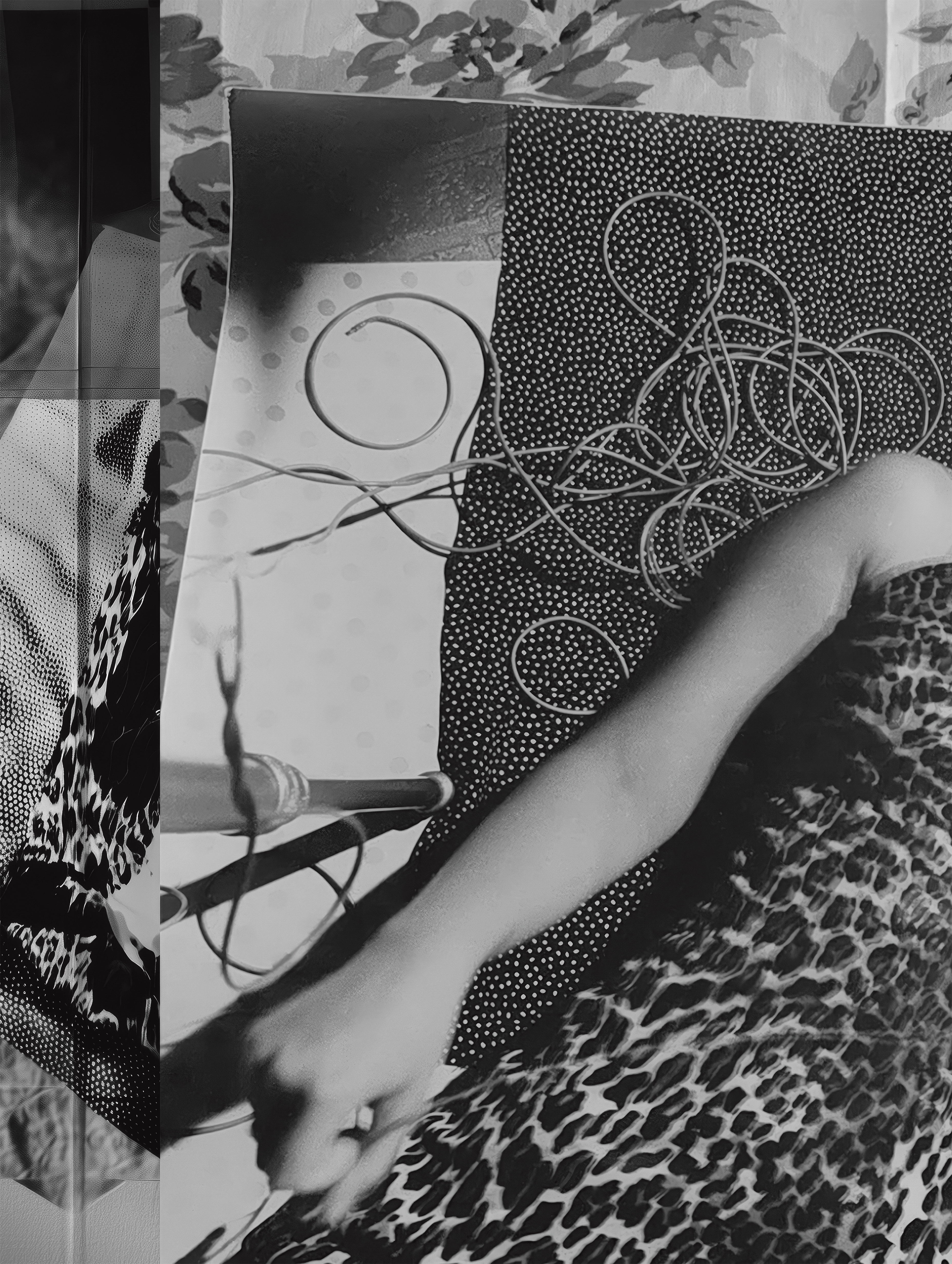
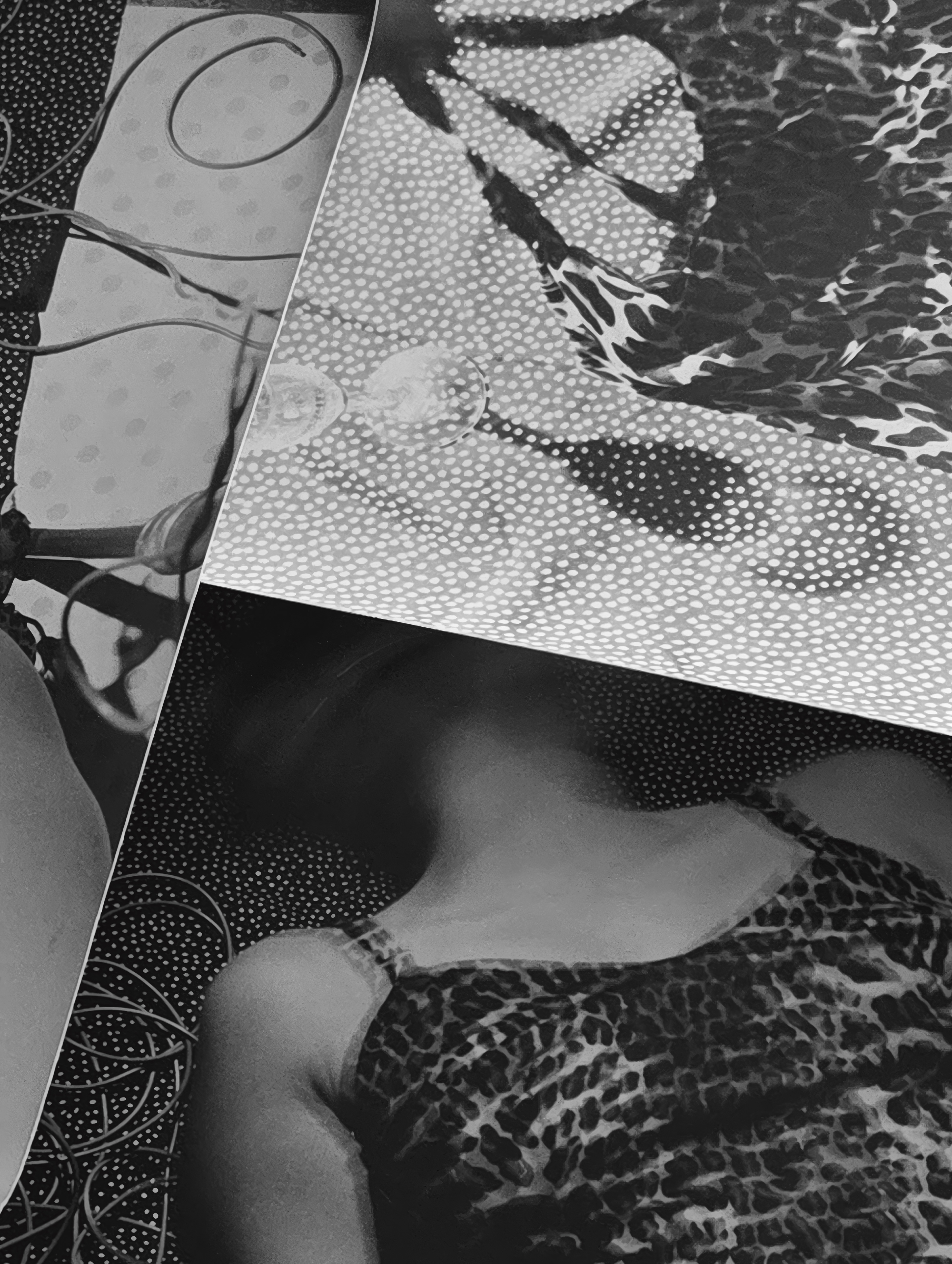
Photography Revisited is a return to earlier photographic work—not to correct it, but to stand beside it with the knowledge, tools, and discernment earned over time. These images are not restorations. They are conversations across decades: between analog and digital, intuition and process, memory and agency.
Generative techniques enter not as replacement, but as a way of listening differently—to images already made, to histories already lived. The work asks what remains when explanation is no longer required, and when authority comes not from mastery, but from integration.
Artist Statement
Art has the capacity to reframe aging not as a narrowing of time, but as an expansion of perception. Rather than marking a chronological stage, aging emerges here as a lived condition—one shaped by solitude, discernment, and an increasingly nuanced relationship to presence.
In this work, time is not linear or accumulative. It is held, layered, and revisited. Forms gather quietly, bearing the traces of interruption and continuity, suggesting that vitality does not diminish with age but often deepens—becoming less performative and more precise.
This perspective resists simplified narratives of decline, offering instead an understanding of aging as a widening field of awareness, where meaning is distilled rather than reduced.
Concept Seed
The Dream
I return to a school I never finished, though I have been learning all my life. The hallways are filled with younger bodies moving quickly, certain of their place. I feel their eyes pass over me, measuring something they cannot name.
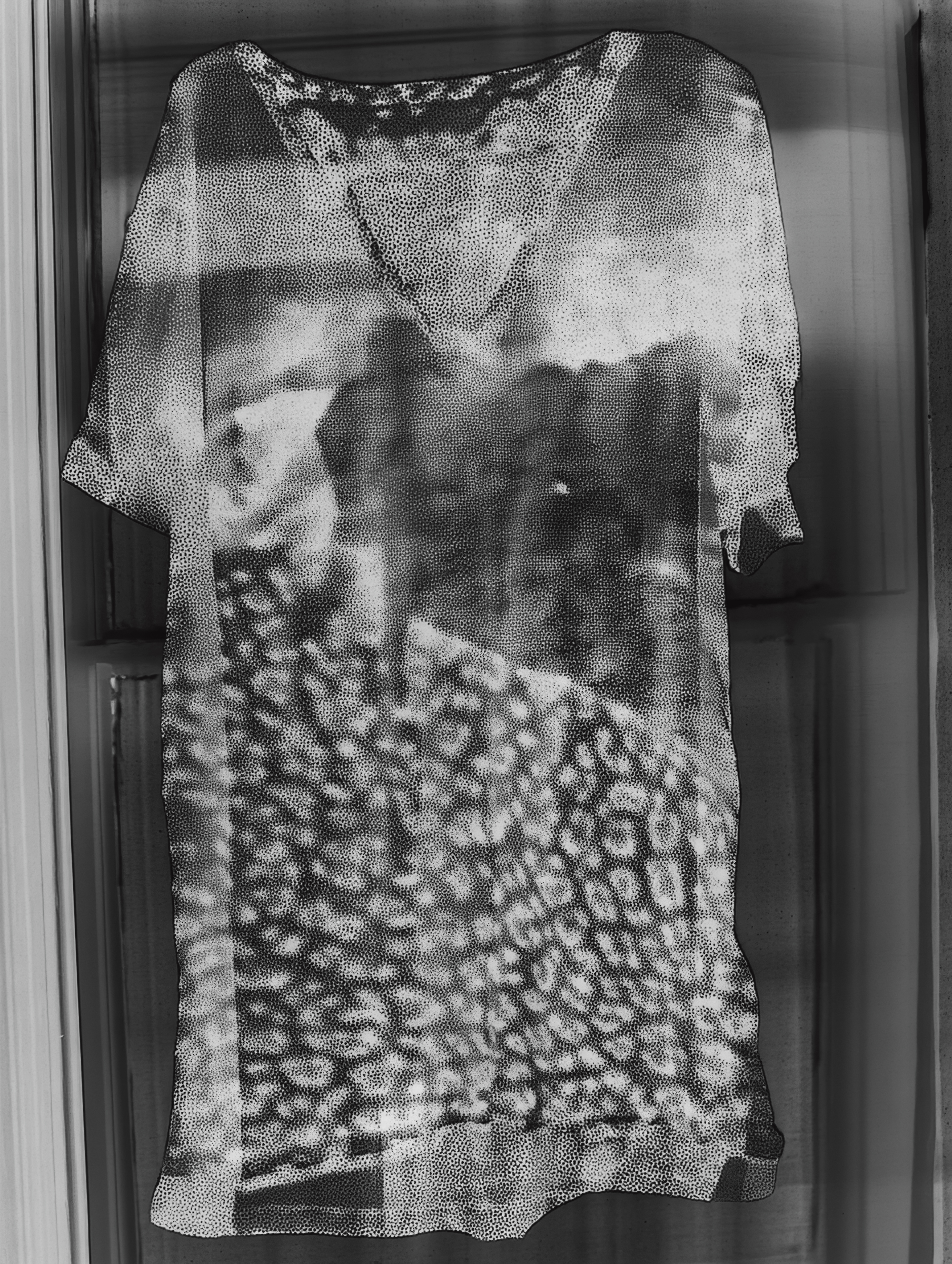
I am placed in a history class. Dates and events line the board, detached from meaning. There is to be a test. I prepare for it at home, though I do not know the questions. I take an old nightshirt—soft from years of wear—and begin to paint it with watercolor. The pigment bleeds and settles as it wants to. When it dries, I turn the shirt inside outand write what I know across the fabric, not answers exactly, but truths shaped by time.
When I arrive for the quiz, I have missed the moment when the questions are asked. I continue writing anyway. I submit the garment as my response.
The teacher laughs. She gathers others. “This is AI,” she says disgustingly, as if naming something false ends the conversation. No one asks how the work was made. No one touches the cloth or reads the marks. The language I offered does not fit the form they require.
I wake knowing this: Some knowledge cannot be tested without being harmed. Some learning does not belong to the institutions that claim to measure it. And some answers arrive long before the questions are spoken.
Waking from that dream, I recognized it not as anxiety about the past, but as a reckoning with authorship in the present.
The question is no longer what was the lesson? It is: Where am I now?
Interpretation
The images that followed were not planned illustrations. They emerged through a hybrid process of revisiting archival photographs, introducing generative constraints, and allowing forms to pause, repeat, and reorganize themselves over time.
While the dream initiated the inquiry, the work quickly took on its own internal logic. Vessels, thresholds, and interruptions began to function less as symbols and more as spatial conditions — sites of listening, suspension, and recalibration.
What remains is not the narrative of the dream, but the residue of how perception shifts when time is held open.
 Parker&Creative