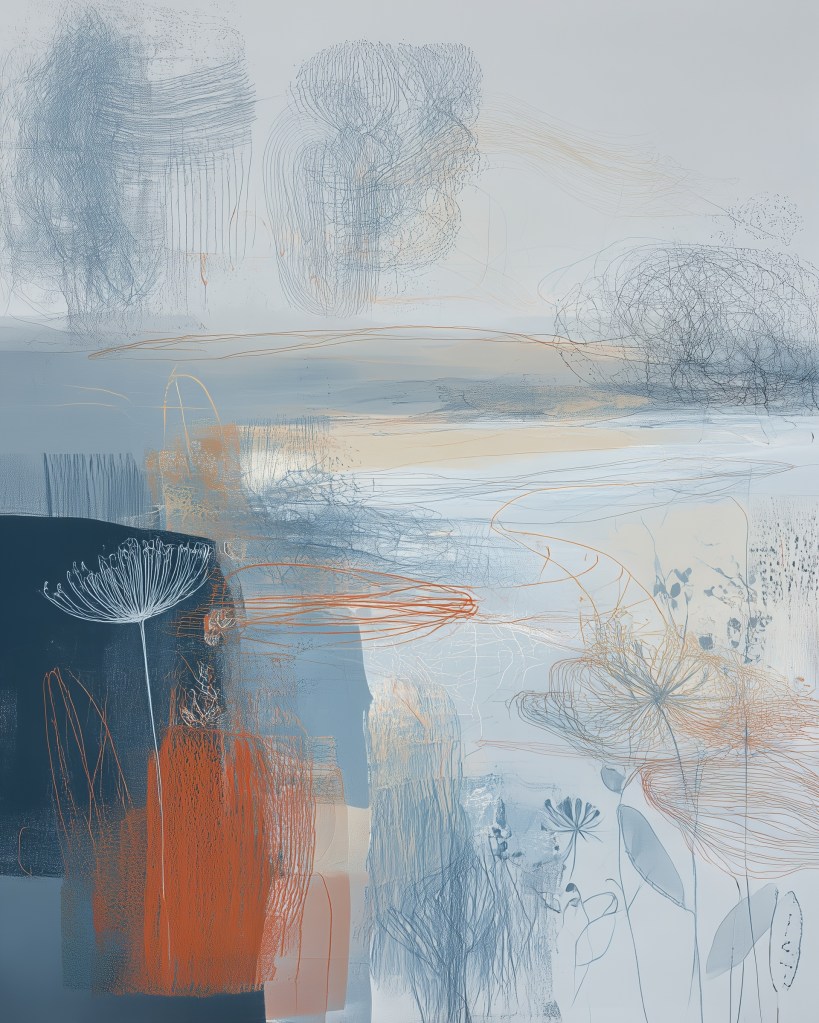
Babylon

She speaks with certainty:
letters must march in their proper order,
words must dress for inspection.
A misstep is a sign of falling behind,
of classrooms unattended,
of something lost in the grammar of one’s life.

I listen.
I know the comfort of a clean sentence,
the pride in a phrase that never trips on its own shoelaces.
But I also know the tilt and tumble of language—
how it bends toward the mouth that speaks it,
how it shapes itself around the hands that write it,
how it dances, stumbles,
and sometimes invents entirely new steps.

In the great square of Babylon,
no tongue was the same,
yet all were human.
A word misshapen in one ear
was music in another.
What she calls ignorance,
I sometimes see as invention—
the secret code of a neighborhood,
the smile tucked inside a wrong turn of a vowel,
the stubborn poetry of those
who refuse to sand down their speech.

I, too, was raised to prize the polished line.
But age has taught me to love the smudges—
to wonder who placed them there,
and what story was too urgent
to wait for the “right” word.

If there is a grammar worth guarding,
it is the grammar of gentility,
the syntax of grace.
Where words, no matter how worn or wild,
are given a seat at the table,
and the voices that carry them
are heard before they are corrected.

Every word a gift, every gift a light, working through our communication differences in language and intent.

Leave a comment